
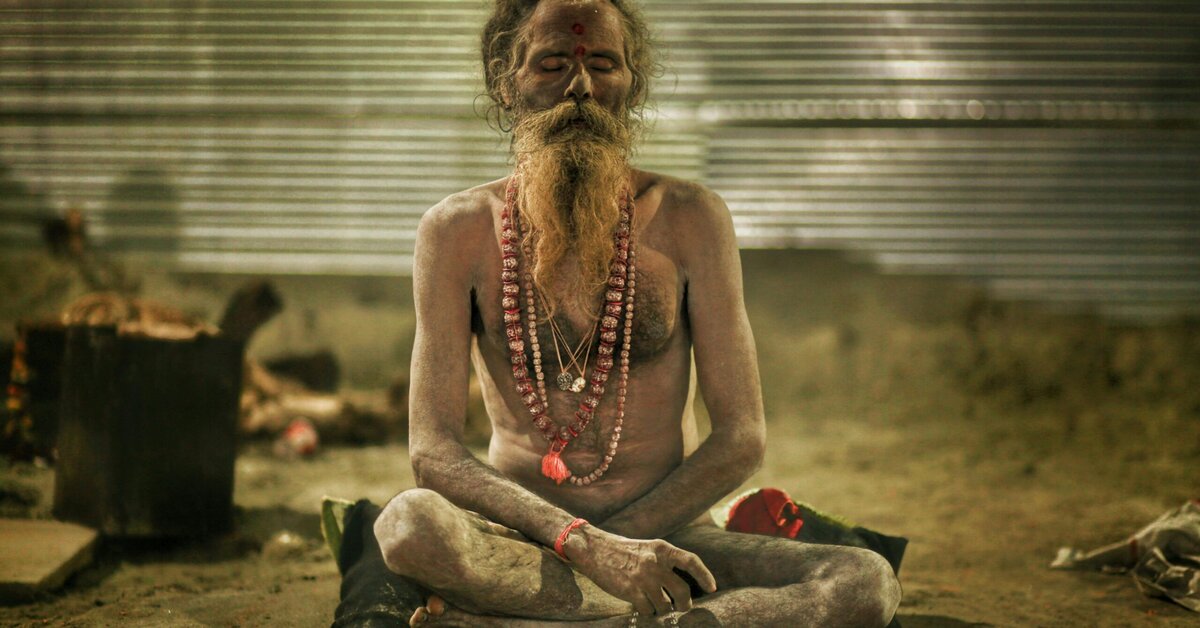
Prayagraj Sangam + Triveni Ghat Private Tour , Have you ever witnessed the moment where three sacred rivers merge, creating a spiritual vortex of unimaginable power? Prayagraj’s Sangam—where the mighty Ganga, the serene Yamuna, and the mythical Saraswati converge—is one of Hinduism’s holiest sites, drawing millions of pilgrims seeking liberation and blessings. A private tour to Sangam and Triveni Ghat isn’t just sightseeing; it’s embarking on a journey that connects you with thousands of years of spiritual tradition, ancient mythology, and living faith. Whether you’re seeking moksha (liberation), washing away sins, or simply experiencing India’s profound spiritual heritage, this sacred confluence offers transformative experiences that touch the deepest parts of your soul.

Understanding the Significance of Sangam
The Mythological Importance
Prayagraj Sangam + Triveni Ghat Private Tour , According to Hindu mythology, when the gods churned the cosmic ocean to obtain the nectar of immortality (amrit), four drops fell at different locations on earth. Prayagraj’s Sangam is one of these sacred spots. The confluence is mentioned extensively in ancient texts like the Vedas, Puranas, and the Mahabharata. Lord Brahma himself is believed to have performed the first sacrifice here at the beginning of creation. The spot where the three rivers meet is considered a Tirthraj—the king of all pilgrimage sites—making it spiritually superior to individual river bathing.
Spiritual Beliefs and Blessings
Taking a holy dip at Sangam is believed to cleanse all sins accumulated over lifetimes, break the cycle of rebirth, and bring one closer to moksha. The confluence’s waters are considered exceptionally purifying because they combine the properties of all three sacred rivers. Devotees believe that prayers offered here reach the divine more directly, making Sangam an ideal place for performing ancestral rites, seeking blessings for important life events, or simply deepening spiritual practice. The energy at the confluence is palpable—many pilgrims report profound peace and spiritual awakening after their Sangam experience.
Historical and Cultural Relevance
Prayagraj has hosted the Kumbh Mela—the world’s largest religious gathering—for centuries, attracting over 100 million pilgrims during Maha Kumbh years. The city has witnessed countless historical events, from ancient Vedic rituals to medieval pilgrimages to modern spiritual revivals. Emperors, saints, and commoners alike have considered Sangam darshan essential for spiritual progress. This continuous tradition spanning millennia makes Prayagraj not just a religious site but a living museum of Indian spirituality and culture.
Triveni Ghat: The Sacred Bathing Point
Location and Accessibility
Triveni Ghat is the primary bathing ghat at Sangam, strategically located where pilgrims can access the confluence waters most easily. Well-maintained steps lead into the water, with separate sections for men and women ensuring comfort and privacy. The ghat is accessible year-round, though water levels vary seasonally. During the monsoon, the swollen rivers create dramatic landscapes but require caution, while winter months offer calmer waters ideal for bathing and boat rides.
Religious Rituals Performed
At Triveni Ghat, pilgrims perform various sacred rituals—taking purifying baths, offering water to the sun (Surya Arghya), performing tarpan for ancestors, floating diyas during evening aarti, and conducting special pujas with pandits. The ghat comes alive especially during auspicious dates according to the Hindu calendar when thousands gather for collective blessings. Priests are available to guide rituals, explain their significance, and help pilgrims perform ceremonies correctly according to ancient traditions.
Best Time to Visit
Early morning (5-8 AM) offers the most spiritual atmosphere—the sunrise over the confluence is breathtaking, the air feels pure, and the energy is profoundly peaceful. Evening visits (5-7 PM) provide different magic with the spectacular Ganga aarti, where hundreds of lamps create mesmerizing reflections on the water. For boat rides to the actual confluence point, mid-morning to early afternoon offers best visibility and calmer waters. Avoid peak afternoon hours (12-3 PM) during summer when heat becomes uncomfortable.
What’s Included in Private Tour Packages
Comfortable Transportation
Private tours include air-conditioned vehicles—sedans for couples, SUVs for families, or tempo travelers for larger groups. Vehicles pick you up from your Prayagraj hotel, railway station, or airport, and remain at your disposal throughout the tour. Professional drivers navigate Prayagraj’s busy streets expertly, handling parking and route optimization so you simply relax and focus on the spiritual experience. The comfort of private transportation becomes especially valuable given Prayagraj’s size and the distances between various religious sites.
Expert Guide Services
Knowledgeable guides accompany you, explaining the mythological significance of Sangam, the historical importance of various temples, and the proper methods for performing rituals. Good guides share fascinating stories from the Puranas, help you understand the cosmic significance of the confluence, and facilitate meaningful spiritual experiences. Many guides have been serving pilgrims for decades, possessing deep knowledge that transforms your visit from tourism into genuine pilgrimage.
Boat Ride at Sangam
The highlight of any Sangam tour is the boat ride to the actual confluence point, visible where the muddy brown Ganga waters meet the greenish Yamuna, with the invisible Saraswati believed to flow underground. Private boats offer intimate experiences without the crowds of shared boats. You can take your time, perform rituals on the water, take photographs, and simply absorb the spiritual magnitude of sitting at the exact point where three sacred rivers merge. This boat ride often becomes the most memorable part of pilgrims’ Prayagraj visits.
Temple Visits and Sightseeing
Comprehensive tours include visits to major temples around Sangam—Hanuman Mandir with its reclining Hanuman idol, the sacred Akshaya Vat (immortal banyan tree) inside Prayagraj Fort, Alopi Devi Mandir with its unique worship traditions, and various other ghats along the rivers. These additions provide cultural context and spiritual depth, making your pilgrimage comprehensive rather than just a quick Sangam darshan.
Complete Itinerary Options
Half-Day Sangam Tour
This 4-5 hour tour focuses exclusively on the Sangam experience. After hotel pickup, you proceed directly to Triveni Ghat for a holy dip and rituals. Then comes the boat ride to the confluence point, where you spend meaningful time at the sacred junction. The tour concludes with visits to Hanuman Mandir and one or two nearby ghats. Perfect for travelers with limited time or those combining Prayagraj with other destinations. Pricing: ₹2,500-₹4,000 for couples including boat ride.
Full-Day Prayagraj Pilgrimage
The comprehensive 8-10 hour tour begins with sunrise at Sangam, followed by morning rituals and boat ride. Mid-morning explores Prayagraj Fort (subject to permission) including Akshaya Vat and Patalpuri Temple. Lunch at a local restaurant is included. Afternoon visits cover Alopi Devi Mandir, Anand Bhawan (Nehru family home-turned-museum), and other historical sites. The day concludes with evening Ganga aarti at Triveni Ghat. This comprehensive package balances spiritual experiences with cultural insights. Pricing: ₹4,500-₹7,000 for couples including meals.
Sunrise and Sunset Special Tours
For photographers and spiritual seekers, specialized tours focus on Sangam’s magical golden hours. The sunrise tour (5 AM – 10 AM) captures the confluence awakening with morning prayers and stunning light. The sunset tour (3 PM – 8 PM) emphasizes evening aarti and the romantic beauty of sunset over the rivers. Both tours include boat rides timed for optimal lighting and spiritual atmosphere. Pricing: ₹3,000-₹5,000 depending on duration and inclusions.
The Magnificent Boat Ride Experience
Types of Boats Available
Motorboats offer quick rides to the confluence (20-30 minutes round trip), ideal for those with time constraints or who prefer convenience. Traditional rowboats provide authentic, peaceful experiences (45-60 minutes), allowing you to absorb the spiritual atmosphere without engine noise. Larger boats accommodate groups of 8-15 people for family pilgrimages. VIP boats with canopies offer shade and comfort for premium experiences. Your tour package typically includes standard motorboats, with upgrades available for additional cost.
What to Expect on the River
As you boat toward Sangam, the distinct color difference between Ganga and Yamuna becomes increasingly visible—an awe-inspiring natural phenomenon. Your boatman positions you at the exact confluence point, where you can perform rituals, take holy water samples, offer prayers, and simply meditate on the cosmic significance. The perspective from the water—seeing the ghats, temples, and forts from the river—offers unique beauty impossible to experience from land. Many pilgrims describe the boat ride as profoundly peaceful, with the river’s energy creating deep spiritual resonance.
Photography Opportunities
The confluence offers spectacular photography—the color contrast of rivers, the expansive horizon, the ghats lined with pilgrims, and sunrise or sunset creating golden reflections. Boat rides provide unique angles for capturing this sacred geography. Remember to waterproof your phone or camera, as boats can splash. The most photogenic moments occur during golden hours, so plan accordingly. However, balance photography with present-moment spiritual experience—some moments are better absorbed than captured.
Major Temples and Ghats Covered
Hanuman Mandir (Bade Hanuman Ji)
This unique temple houses a reclining Hanuman idol in an underground chamber that floods during monsoon, submerging the deity partially. The idol’s increasing water level is believed to predict flood severity. This temple’s unusual architecture and powerful energy make it a must-visit. The surrounding area bustles with devotees, and the atmosphere vibrates with devotional chanting.
Akshaya Vat and Patalpuri Temple
Located inside Prayagraj Fort (access requires permission and can be restricted), the Akshaya Vat is an ancient, immortal banyan tree mentioned in scriptures. Devotees believe that seeing this sacred tree brings blessings and prosperity. The nearby Patalpuri Temple, built underground, houses important deities and offers a mystical atmosphere. These sites inside the fort provide historical and spiritual depth to your pilgrimage.
Alopi Devi Mandir
This unusual temple is one of India’s 51 Shakti Peethas, but uniquely, it has no idol—devotees worship a wooden carriage (doli) instead. According to legend, the carriage carrying Goddess Sati’s body parts disappeared here, making it sacred. The temple’s unique worship tradition and powerful feminine energy attract devotees seeking Shakti blessings.
Other Important Ghats
Beyond Triveni, Prayagraj boasts numerous ghats—Dashashwamedh Ghat, Saraswati Ghat, and Arail Ghat, each with unique significance and spiritual energy. Comprehensive tours visit 3-4 major ghats, providing varied perspectives on river worship and Prayagraj’s spiritual landscape. Each ghat offers different atmosphere and ritual traditions, enriching your understanding of Hindu pilgrimage culture.
Combining Prayagraj with Nearby Destinations
Ayodhya Extension
Prayagraj and Ayodhya are just 165 km apart (3-4 hours drive), making combined tours popular. Two-day packages cover Sangam on day one and Ayodhya’s Ram Janmabhoomi on day two, creating a comprehensive spiritual journey through Uttar Pradesh’s holiest sites. This combination maximizes your pilgrimage value, experiencing both the Ramayana’s heartland and the sacred confluence in one trip.
Varanasi Connection
Varanasi, another of Hinduism’s holiest cities, lies 130 km from Prayagraj (2.5-3 hours). Three-day packages typically cover Varanasi’s Ganga aarti and temples, Prayagraj’s Sangam, and sometimes Ayodhya, creating the ultimate North Indian spiritual circuit. For serious pilgrims, this combination represents the pinnacle of sacred geography accessible in one journey.
Chitrakoot Add-On
Chitrakoot, where Lord Ram spent years during exile, is about 130 km from Prayagraj. This addition appeals to Ramayana devotees wanting to walk where Ram walked. Combined Prayagraj-Chitrakoot tours offer confluence blessings plus Ramayana heritage, creating deeply meaningful pilgrimages for Ram bhaktas.
Booking Your Private Tour
Online Reservation Process
Major platforms like MakeMyTrip, Thrillophilia, and Viator offer Prayagraj Sangam tours with instant booking. UP Tourism’s official website provides government-approved tour packages ensuring quality and reliability. Browse options, compare prices and reviews, select preferred dates, and complete secure online payment. Confirmation emails arrive with guide contact details, boat booking confirmations, and detailed itineraries.
Customization Options
Private tours offer extensive customization—adjust timings to catch sunrise or sunset, add or remove temples based on interests, include special ritual arrangements with pandits, upgrade boat types for premium experiences, or extend tours to nearby destinations. Communicate preferences during booking, and reputable operators customize packages meeting your spiritual and practical requirements perfectly.
Group Discounts Available
Traveling as a family or group? Private tours become increasingly economical per person as group size grows. Groups of 6-8 receive 15-20% discounts, while larger groups (10+) negotiate even better rates. The shared experience of pilgrimage with loved ones adds emotional and spiritual value beyond financial savings, making group tours both economical and deeply meaningful.
Pricing and Budget Planning
Half-day Sangam tours range ₹2,500-₹4,000 for couples, full-day comprehensive packages cost ₹4,500-₹7,000, and multi-day circuits combining nearby destinations run ₹10,000-₹20,000 per person. Pricing includes transportation, guide, standard boat rides, and sometimes meals. Budget separately for special pujas (₹500-₹2,000 depending on elaborateness), donations at temples (₹100-₹500 per temple), and personal expenses. Overall, Prayagraj offers excellent spiritual value—profound experiences at reasonable costs compared to international pilgrimage destinations.
Best Season for Sangam Visit
October through March offers ideal weather—pleasant temperatures making boat rides and ghat visits comfortable. The Magh Mela (January-February) transforms Prayagraj into a spiritual city with millions of pilgrims, creating incredible atmosphere but requiring advance bookings. Kumbh Mela years (every 12 years, next in 2025) offer once-in-a-lifetime experiences but extreme crowds. For peaceful, comfortable pilgrimages, November-February weekdays are optimal. Avoid monsoons (July-September) when strong currents make boating risky and ghats can be slippery.
Essential Tips for Pilgrims
Wear modest, easily dryable clothing if planning ritual baths—cotton works best. Carry a change of clothes and towel. Waterproof bags protect phones and valuables during boat rides. Apply sunscreen and wear hats for sun protection. Keep some cash for temple donations and boat tips (₹100-₹200 for boatmen is customary). If performing rituals, follow your guide’s or pandit’s instructions respectfully. The confluence waters are sacred but can have strong currents—exercise caution during bathing, especially with children or elderly members. Most importantly, approach Sangam with reverence and open heart—this isn’t just a tourist spot but one of Hinduism’s holiest locations deserving utmost respect.
Conclusion
A private tour to Prayagraj’s Sangam and Triveni Ghat offers more than just a pilgrimage—it provides connection with the very essence of Hindu spirituality, participation in traditions thousands of years old, and blessings from the sacred confluence that devotees believe purify souls across lifetimes. The private tour format ensures your experience is comfortable, deeply personal, and free from the stress of navigating unfamiliar sacred geography alone.
Whether you’re a devoted pilgrim seeking moksha, a cultural explorer understanding India’s spiritual heritage, or someone simply drawn to sacred places, Sangam delivers transformative experiences. The moment you sit at the confluence, surrounded by three holy rivers, feeling the spiritual energy accumulated over millennia, you’ll understand why generations have considered this pilgrimage essential. So book your private tour, prepare your heart, and get ready to experience one of earth’s most sacred confluences—where rivers meet, where heaven touches earth, and where your soul finds peace.
FAQs
1. Is bathing at Sangam safe, especially for non-swimmers?
Yes, but with precautions. Triveni Ghat has designated bathing areas with steps and platforms where water depth is manageable. However, currents can be strong, especially during monsoon. Non-swimmers should stay near the steps, avoid going deep, and never bathe alone. Children and elderly should have supervision. Many pilgrims simply perform rituals with Sangam water without full immersion—spiritually equally valid and physically safer.
2. How long does the boat ride to Sangam take?
Motorboats reach the confluence in 10-15 minutes, with total round trips lasting 30-40 minutes including time at the confluence for rituals and photography. Traditional rowboats take 20-25 minutes each way, totaling 45-60 minutes. Most tours allocate 10-15 minutes at the actual confluence point for prayers and experiencing the sacred junction. Premium packages offer extended boat time for deeper spiritual engagement.
3. Can we perform special pujas or rituals at Sangam?
Absolutely! Pandits are available at Triveni Ghat offering various ritual services—ancestral rites (tarpan), special prayers for specific intentions, Ganga pujas, and personalized ceremonies. Inform your tour operator in advance, and they’ll arrange experienced pandits. Ritual costs range ₹500-₹5,000 depending on complexity. Basic rituals like offering water to ancestors can be performed independently or with simple pandit guidance.
4. What is the difference between visiting during regular days versus Kumbh Mela?
Regular visits offer peaceful, manageable experiences with easy boat access and comfortable temple visits. Kumbh Mela, held every 12 years (Maha Kumbh) and 6 years (Ardh Kumbh), sees 50-100 million pilgrims creating extraordinary spiritual energy but extreme crowds, limited accommodation, and challenging logistics. If you want intense collective devotion and don’t mind crowds, Kumbh is unparalleled. For comfortable, contemplative pilgrimages, regular periods are better.
5. Can private tours accommodate elderly or differently-abled pilgrims?
Yes, with appropriate arrangements. Inform operators about mobility limitations during booking. Wheelchairs can access some ghats, though uneven surfaces pose challenges at certain locations. Boat boarding requires some mobility—boatmen assist, but passengers must step into boats from ghats. For elderly pilgrims who cannot board boats, alternative arrangements like riverside rituals with Sangam water brought by boatmen can be organized. Good operators customize tours ensuring everyone participates meaningfully regardless of physical limitations.




Comments are closed.